
In the age of connectivity and digital convenience, the telephone remains one of the primary tools for communication. Yet, it's also become a tool for scammers. Sarah from NumLookup sheds light on the importance of guarding your personal details over the phone.
The Rise of Scam Calls
With advancements in technology, it has become easier for scammers to automate calls and target unsuspecting individuals. These scam calls are more sophisticated now, using tactics like "spoofing" to make the number appear familiar. The objective? To trick you into sharing personal or financial information.
What Scammers Are After
Typically, scammers aim to collect:
- Bank account or credit card details
- Social security numbers
- Personal details like birthdates, addresses, or names of family members
- Passwords or other security credentials
This data can be used for identity theft, unauthorized transactions, or even blackmail in some cases.
Tips to Verify the Caller's Authenticity
- Use NumLookup: Use our phone lookup feature to confirm the caller is who they say they are.
- Hang up and Call Back: If someone calls you from a recognized institution (like your bank), hang up and call them back using the official number listed on their website or your account statement.
- Avoid Direct Answers: If asked to confirm details, avoid saying "yes" or "no" directly. Scammers might be recording the call to use your voice affirmatives maliciously.
- Stay Calm: Many scammers use tactics to instill fear or urgency. It's essential to stay calm and not make rash decisions under pressure.
Your personal information is akin to digital gold in today's world. It's crucial to guard it fiercely. By being vigilant and employing tools like NumLookup, you can protect yourself from the evolving threat of phone scams.
Remember: When in doubt, it's always better to be safe than sorry. Don't share personal details over the phone unless you're entirely sure about the caller's identity. Stay informed, stay safe!
Related Articles

How to Identify Fake Online Profiles and Scammers using NumLookup
Feb 17th, 2024

How to Spot a Fake Text Message - Ashley from NumLookup Explains
Jun 7th, 2024
Listen to Your Gut: A Lesson in Women's Safety by NumLookup
Feb 20th, 2024
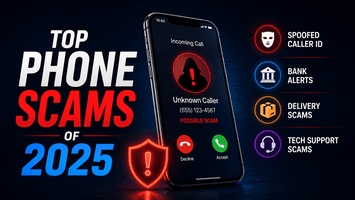
Top Phone Scams of 2025 Explained
Jul 3rd, 2026
Safety tips when traveling to a new city
Dec 25th, 2023
Why do we sometimes limit the number of free lookups?
Oct 8th, 2023

Should We Let Students Use ChatGPT?
May 23rd, 2024

How to Find Missing People Using NumLookup
Feb 20th, 2024
How to Tell Who My Kid Is Texting?
Jan 8th, 2024
Halloween Safety Tips 2023
Oct 27th, 2023